Don’t Let Overlooked O2 Sensors Eat Into Your Profits
Don’t Let Overlooked O2 Sensors Eat Into Your Profits
Why installer shops should evaluate and often replace oxygen sensors during catalytic converter service
QUICK ANSWER
A catalytic converter efficiency code does not automatically mean the converter has failed. In some cases, a slow, contaminated, or inaccurate O2 sensor is the real problem. Replacing the converter without first testing the sensors can lead to an unnecessary, expensive repair and the warning light may return. Before moving forward with converter replacement, installer shops should evaluate the complete emissions system and confirm that both O2 sensors are operating correctly.
Two Sensors, Two Important Jobs
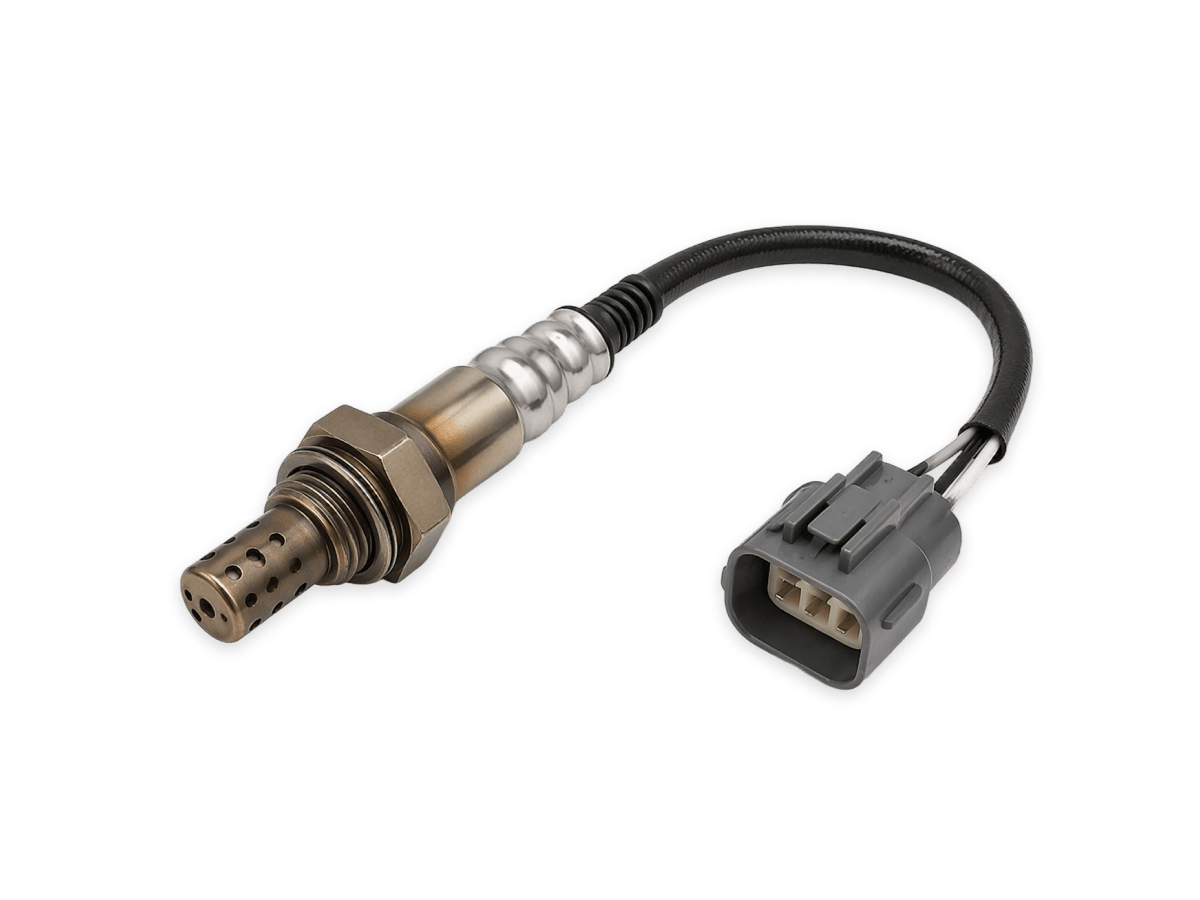
The upstream O2 sensor, located before the catalytic converter, provides feedback the engine computer uses to adjust the air-fuel mixture. If that sensor responds slowly or reports inaccurate information, the engine may run too rich or too lean. A rich condition can send excessive fuel into the exhaust, raising converter temperature and damaging the catalyst. A persistent lean condition can increase emissions and create drivability concerns.
The downstream O2 sensor, located after the converter, monitors catalyst performance. The powertrain control module compares upstream and downstream sensor activity to determine whether the converter is storing oxygen and reducing emissions as designed. A degraded downstream sensor can produce inaccurate or slow feedback, trigger repeat warning lights, or complicate confirmation of the repair.
Why Converter Replacement Is the Right Time to Act
A failed converter has already been exposed to abnormal heat, contamination, or an engine-management problem. The O2 sensors have operated in that same environment. Oil ash, coolant, silicone, carbon, and excessive heat can coat or damage the sensing element even when the sensor has not yet set its own trouble code. Reusing a marginal sensor may save money at the counter but increase the risk of poor fuel economy, returning check-engine light, failed emissions testing, or another converter failure.
Test the Sensors Before Condemning the Converter
An O2 sensor should not be assumed to be good simply because it has not set its own trouble code. Before condemning the converter, review live data and test the upstream and downstream sensors for proper heater operation, response speed, voltage or current activity, and behavior under changing engine conditions. Compare the readings with the vehicle manufacturer’s specifications and check for exhaust leaks or wiring faults that could distort the signals. If the sensor data is incorrect or sluggish, correct that issue first and reevaluate catalyst operation before authorizing converter replacement.
On high-mileage vehicles or when sensors are contaminated, sluggish, damaged during removal, or included in the converter assembly replacement during the same service is a practical way to protect the repair. Use the correct direct-fit sensor for the vehicle, route the harness away from heat and moving parts, and follow the specified installation and torque procedures.
A Better Repair and a Better Customer Conversation
Explain to the customer that the converter and O2 sensors work as a system. The upstream sensor helps control combustion; the downstream sensor helps verify converter efficiency. Recommending sensor testing and replacement when condition, mileage, or test results justify it is not simply an add-on. It is part of correcting the root cause, validating the new converter, and reducing the chance of a repeat repair.
Shop takeaway: Before the vehicle leaves, confirm the engine is running correctly, both O2 sensor signals are credible, the exhaust is leak-free, and the catalyst monitor can complete normally. A new converter deserves accurate sensors and complete repair.
THE RIGHT PART. DELIVERED RIGHT.